Table of ContentsToggle Table of ContentToggle
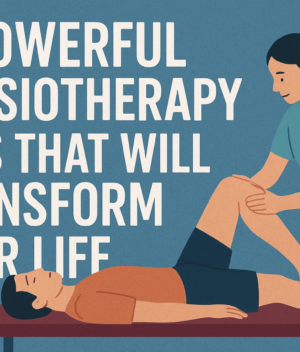
5 Powerful Physiotherapy Tips That Will Transform Your Life
Physiotherapy, when applied appropriately and continually, has the ability to change your motion, sensations, and overall living for the better, and does more than relieve discomfort effectively.
Physiotherapy, when applied appropriately and continually, has the ability to change your motion, sensations, and overall living for the better, and does more than relieve discomfort effectively.
The following are five tips for effective physiotherapy, supported by scientific evidence, to help you achieve enhanced mobility and strength, and sustained wellbeing.

Importance of Physiotherapy
Physiotherapy, or physical therapy as it is more commonly known, is a unique area of healthcare that is designed to help regain, preserve, and optimize physical abilities and mobility.
It goes beyond managing injuries to help prevent new injuries, reduce pain, manage posture, and improve overall wellbeing.
Numerous researchers assert that customized physiotherapy has the ability to decrease pain, improve, and restore movement and function of the body, and achieve positive outcomes even for complex cases including chronic diseases and multiple injuries.
Keeping that in mind, let us consider five of the most recommended techniques of physiotherapy that, if applied correctly, will change your life for the better.

Tip #1: Stick to Your Personalized Exercise Routine
The Importance of Your Routine
The primary aim of exercise therapy is to alter your pain levels and improve function in chronic health conditions by increasing the level of strength, flexibility and joint mobility, and movement.
According to the research of the NCBI and Cleveland Clinic, chronic conditions like osteoarthritis and back pain, and the exercise therapy that accompanies it, bring decreased pain and improve function.
Establishing a Routine
The first step is to consult a qualified physiotherapist. They will be able to design the best personalized exercise plan based on your individual medical history, posture, and any current injuries.
The plan should include balance and coordination work, mobility and flexibility training, and strengthening exercises for the weak areas. All of these contribute to improved muscle balance.
Van der Linde research states that, to allow your body to adapt and increase in strength, work at your routine consistently. Aim for a range of 3 to 5 times a week.
Bonus: One way that a tailored, structured exercise program can lower your dependence on medications and surgeries is that it can help to alleviate the primary causes of your pain or dysfunction.
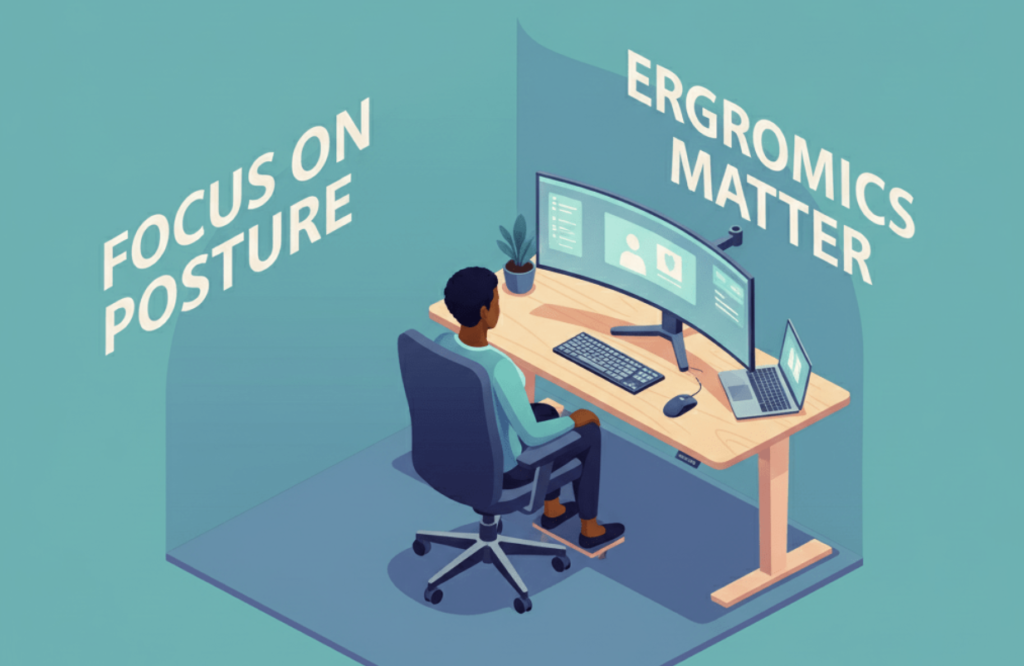
Tip 2: Focus on Posture & Ergonomics Don’t Let Poor Habits Sabotage You
In the modern, dominant screen world, negligence in posture and ergonomics is a leading factor to chronic pain, stiffness, and less overall mobility.
This is how physiotherapy can help:
Professionally qualified physiotherapists examine the muscle imbalance and movement patterns of a patient and then incorporate exercises to alleviate the postural issues, along with the use of other tools, like stretches and manual therapy.
“Well and improved” posture would help alleviate some of the burden on the affected joints and muscles, thereby preventing the future long-term damage to those areas.
Here are some good posture tips to implement as you go about your day
- Try to use the exercises known as “chin tucks” and scapular retractions to help with a forward head and rounded shoulder posture.
- Try to maintain a neutral spine when standing or sitting, remember to avoid slouching.
- If you are sitting in one position for a long time (like sitting at a desk at work or in a classroom), remember to take breaks, stand, and stretch or walk around to help ease your posture.

Tip 3: Consider Physiotherapy as a Natural, Holistic Method for Managing Pain
What to expect with physiotherapy:
- Decreased pain and stiffness through the use of manual therapy, appropriate exercises, and movement retraining.
- Improved healing through the natural enhancement of circulation, flexibility, and healthy joint movement.
- Elimination or reduction of the need for surgery with early and consistent intervention.

Tip 4: Use Evidence-Based Practice (EBP) to Ensure Safe and Effective Treatments
Good quality physiotherapy is not guesswork and good physiotherapists use EBP, which is a combination of clinical experience, patient values, and best available evidence. Here is why EBP is so important.
It assures that the interventions that have been proposed are evidence based and valid treatment options for the condition.
Most physiotherapy treatments and modalities have been derived from randomized clinical trials and systematic reviews.
It lowers the chances of receiving treatment that either do not work or are potentially harmful and do not align with your specific condition.
What you can do as the patient:
Select a physiotherapist that integrates evidence from the literature and offers a customized treatment plan. Explain the purpose of each exercise or intervention and what evidence exists to support it. our progress and that modifications can be made to the plan (in collaboration with the therapist) to achieve the best outcomes.

Tip 5: Incorporate Physiotherapy into Your Routine Before You Get Injured
While some may think of physiotherapy as something you receive after an injury, physiotherapy can also be used as a preventative measure to increase your health, mobility, and life quality.
Canadian Physiotherapy Association
Benefit | How It Helps Over Time |
Improved mobility and flexibility | With mobility and flexibility comes a decrease in stiffness, joint issues, and the misuse of mobility as you age. |
Better posture and body mechanics | Wear and tear of the body, especially of joints is reduced. Chronic pain is also less likely and comfort is improved. |
Injury prevention | Sport injuries and overuse injuries are less likely to occur with the balance of strength and movement patterns. |
Reduced risk of surgery or chronic pain | Ongoing maintenance and early intervention can address issues before they get worse. |
Enhanced quality of life | With sustained physical function comes an increase in overall well-being, and supports independence and activity. physical function is sustained |
Including physiotherapy in your health routine, will build long term resiliency and mobility even if you feel fine.
Common Errors
Not doing your exercises, or doing your exercises in a way prescribed will reduce effectiveness. You need to do your exercises with consistency and proper form to achieve the effectiveness, and if you are not, please speak up to your physiotherapist and ask for direction.
Relying on things like massage or heat These passive treatments oftentimes alone do not provide lasting improvement.
Active participation is needed for long-term success (i.e. engagement in exercise, correcting posture, and retraining movement).
Wanting things done too quickly Many benefits will accumulate gradually over weeks or even months. This is the time in which patience and persistence are the priority.
Having a universal approach If a given method works for a certain patient, that does not mean it will work for everyone. This is the reason why personalized physiotherapy is and should be based on reliable and valid evidence.

Want to Dive Deeper?
Cleveland Clinic
Investigate the evidence and research currently available in the field of physiotherapy. This is referred to as the PEDro or Physiotherapy Evidence Database.
Final Thoughts Your Next Step Toward Transformation
Should you wish to invest in your long-term physical health, or if your goals are to improve mobility, reduce pain, or correct posture know that physiotherapy is one of the most effective and evidence based strategies available as of today.
For you to be able to transform your life and body, these five great physiotherapy tips adopted can help you do so.
These tips are personalized exercise, drug free pain management, posture awareness, evidence based care, and integration of a proactive lifestyle.
Take time to book an appointment with a certified physiotherapist to get things rolling. Stay committed to the process.
Document the changes you experience. You’ll see how physiotherapy will enable you to move more freely, feel more powerful, and improve your quality of life.
Frequently Asked Questions
Here are some common questions about occupational health referrals, fitness for work, and return-to-work support.
What is physiotherapy and how does it work?
How can physiotherapy help me with chronic pain?
Is physiotherapy effective after surgery?
What conditions can physiotherapy treat?
• Musculoskeletal injury (sprains, strains, fractures)
• Post-surgical recovery
• Chronic pain (back pain, arthritis)
• Sports injuries
• Neurological injuries (stroke, MS)
• Respiratory conditions (COPD, asthma)
Physiotherapy preventive care can help avoid injuries and improve general health too.
How often should I visit a physiotherapist?
Need Help With an Occupational Health Referral?
Evaluate Health provides occupational health assessments, work capacity guidance, return-to-work support, and practical advice to help employers and workers move forward with clarity.
Recent Posts